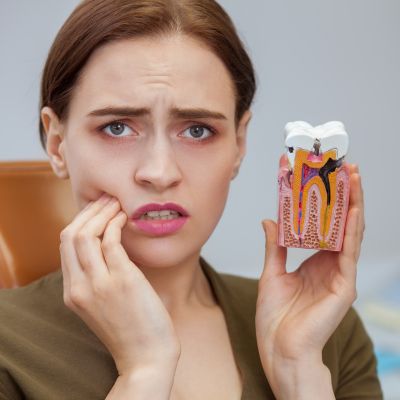
Dental Emergencies: What to Do and When to See a Dentist
Dental emergencies can happen unexpectedly, from sudden tooth pain to a
chipped or knocked-out tooth. Knowing how to respond quickly can help reduce pain,
prevent complications and sometimes even save a tooth.
What is a Dental Emergency?
A dental emergency is any situation involving the teeth, gums, or mouth that
requires immediate attention to stop bleeding, relieve severe pain, or save a
tooth.
Common dental emergencies include:
- Severe toothache
- Chipped or broken tooth
- Knocked-out tooth
- Lost filling or crown
- Swelling or infection
- Injury to the gums, lips, or tongue
Accidents, sports injuries, untreated tooth decay and infections are common
causes of dental emergencies. If you experience severe pain, swelling or trauma
to your mouth, contact us as soon as possible.
Common Dental Emergencies and What to Do
Severe Toothache: A persistent toothache may indicate decay,
infection, or gum disease. Rinse your mouth with warm water, gently floss to
remove any trapped food, and apply a cold compress to reduce swelling. You can use oil of cloves placed in a gauze inside the cheek or lip adjacent to the affected tooth.
Chipped or Broken Tooth: Rinse your mouth with warm water and,
if possible, save any pieces of the tooth by storing them in milk or a saltwater
solution. Apply gauze if there is bleeding, and use a cold compress to reduce
swelling. Our office may repair the tooth with bonding, a filling, or a crown,
depending on the severity. You can use oil of cloves placed in a gauze inside the cheek or lip adjacent to the affected tooth.
Knocked-Out Tooth: Pick up the tooth by the crown (top), not the
root. If needed, gently rinse it with water. Try placing it back into the socket
or storing it in milk or saltwater, and contact our office immediately. A tooth
has the best chance of being saved if it is replanted within 30 minutes to one
hour after being knocked out.
Lost Filling or Crown: Avoid chewing on that side of your mouth,
and contact our office to repair or replace it. Sugar-free chewing gum can be
used to temporarily cover the exposed area until your appointment. You can use oil of cloves placed in a gauze inside the cheek or lip adjacent to the affected tooth.
Soft Tissue Injuries (Gums, Lips, or Tongue): For cuts to the
gums, lips, or tongue, rinse with water, apply pressure with gauze, and use a
cold compress. If bleeding does not stop, seek immediate medical attention.
When to Seek Emergency Medical Care
Some oral injuries require urgent medical care rather than waiting for a dental
appointment. Seek emergency medical help if you experience:
- Severe bleeding that won't stop
- Difficulty breathing or swallowing
- Facial swelling
- Signs of head injury or loss of consciousness
Tips to Prevent Dental Emergencies
Preventive care can help identify dental problems before they become emergencies.
Although accidents can happen, there are steps you can take to reduce the risk:
- Wear a mouthguard while playing sports
- Avoid chewing hard foods like ice or hard candy
- Do not use your teeth to open packages
- Visit our office regularly for checkups
Dental emergencies can be stressful, but knowing how to respond quickly can
protect your oral health. Whether it's a severe toothache, a broken tooth, or a
dental injury, seeking prompt professional care is essential.
If you experience sudden dental pain or trauma, contact us right away or visit
the nearest emergency clinic. Early treatment can relieve discomfort, prevent
infection, and increase the chances of saving your tooth.
|